
Networking Beyond Festivals: Keeping Your Connections Active Year-Round
Film festivals are essential meeting grounds for industry professionals. Directors, producers, screenwriters, actors, distributors, cinematographers, festival programmers, and financiers find themselves, for a few days, in the same square mile. Business cards are exchanged, project ideas are discussed, introductions are made, and sometimes those conversations happen that can change the trajectory of a career.
However, there is an obvious problem: a festival is short-lived. After a few days, participants depart for different cities, countries, and professional rhythms. Without continuity, many promising encounters remain just contacts saved in a phone, an unfinished conversation, or a vague intention of “let’s stay in touch.”
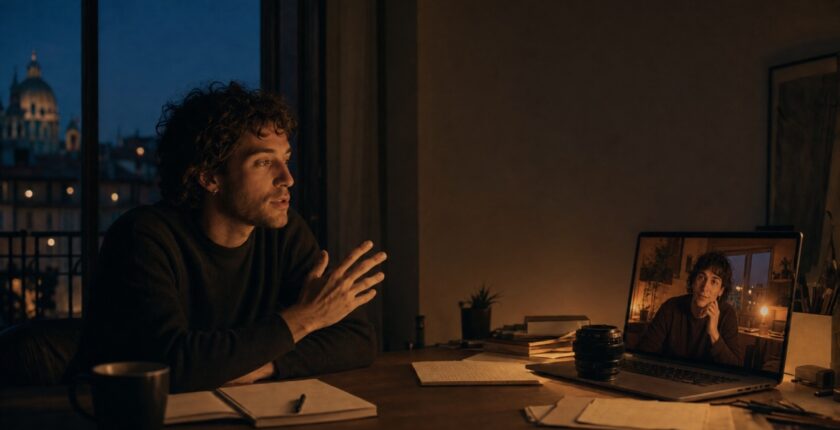
In the contemporary film industry, effective networking doesn’t end when the festival does. On the contrary, the festival should be the beginning of a professional relationship. For it to become a real collaboration, consistency, context, and access to an active community are needed. This is where the idea of a continuous networking ecosystem, such as the Film O’Clock Industry Hub, comes in: a space that extends the energy of physical meetings into a digital, international network available year-round.
Why Traditional Networking Is No Longer Enough
Networking based exclusively on attending physical events has clear limits. First, it is geographically dependent. Not all professionals can afford to travel frequently to festivals, markets, co-production fairs, or international conferences. Travel, accommodation, and accreditation costs can be significant, especially for students, independent artists, emerging professionals, or teams working in smaller cinematic markets.
Second, festival networking is time-limited. The schedule is intense, meetings are brief, and attention is divided between screenings, pitches, panels, social events, and professional obligations. You might meet a person highly relevant to your project, but there may not be enough time for an in-depth conversation.
Third, professional relationships need context. A producer isn’t just looking for “a director”; they might be looking for a director with experience in a specific genre, a compatible vision, a project at a certain stage of development, or an interest in an international co-production. A good contact becomes truly valuable when there is clear information about interests, skills, availability, and goals.
How to Turn a Contact Into a Professional Relationship
A professional connection should not be treated as an end result. It’s more useful to see it as the beginning of a process. After a festival or an industry event, the first step is continuing the conversation in a relevant way.
An effective follow-up message is short, personal, and concrete. Instead of a simple “It was nice to meet you,” you can mention a topic discussed, a project mentioned, or a collaboration opportunity. For example: “I’ve been thinking about our conversation regarding documentary distribution in Central and Eastern Europe. I’m working on a project in development that might be relevant to your interests.”
Next, it’s important to offer value before asking for something. This could be a suitable open call for the other person’s project, a film recommendation, an introduction to a collaborator, or a professional resource. Healthy networking is not a series of requests, but an exchange of information, trust, and support.
Over time, the relationship can evolve through simple interactions: project updates, congratulations on premieres, invitations to screenings, sharing relevant opportunities, or providing feedback when requested. These gestures keep the link alive without turning communication into a burden.
The Professional Profile: Your Permanent Digital Business Card
In a digital hub dedicated to the film industry, a professional profile becomes more than a biography. It is a dynamic business card. A well-constructed profile helps other members quickly understand who you are, what you do, and what type of collaborations you seek.
An effective profile should include:
- Primary professional role: director, producer, screenwriter, actor, editor, cinematographer, etc.;
- Level of experience: student, emerging, mid-career, or senior;
- Completed projects or those in development;
- Thematic and cinematic interests;
- Languages spoken and markets where you operate;
- Types of collaboration sought: mentorship, co-production, distribution, creative team, funding, or festival opportunities;
- Links to portfolios, teasers, trailers, or professional sites.
The clearer the information, the higher the chances of receiving relevant invitations. Instead of a potential collaborator guessing if there’s compatibility, they can quickly see the common ground.
Hybrid Networking: Physical Meetings and Digital Continuity
Digital networking should not replace face-to-face meetings. In film, relationships of trust are often built through direct conversations, observing how someone works, and shared experiences. However, the digital component can make these relationships more accessible and durable.
A hybrid model works like this: you meet people at a festival, workshop, pitch, or screening, and then continue the collaboration in a digital space. You can follow the progress of their projects, identify suitable opportunities, and maintain contact without every conversation depending on the next international event.
For professionals in the 12 countries connected by the Film O’Clock ecosystem, this continuity is particularly important. It can bridge the distance between cinematic communities, support intercultural exchange, and facilitate projects that wouldn’t have emerged in an exclusively local context.
A Simple Year-Round Networking Routine
Constant networking doesn’t mean spending hours online every day. A realistic and sustainable routine can yield better results than intense activity followed by long periods of absence.
You can start with 30–45 minutes per week to:
- Update your professional profile when a relevant novelty arises;
- Contact one or two people with whom you have clear compatibility;
- Respond to messages and invitations;
- Share a useful opportunity with the community;
- Explore the projects and profiles of other members;
- Save contacts or opportunities that may become relevant later.
It’s helpful to set small, specific goals. For example: “This month I want to talk to three producers interested in co-productions,” “I want to find a mentor for my first feature,” or “I want to identify two festivals suitable for my short film.”
Frequently Asked Questions
How can I network if I’m at the start of my career?
Start by being clear about your interests and projects. You don’t need an extensive filmography to enter a dialogue with industry professionals. A well-presented project, genuine curiosity, and willingness to contribute can create valuable connections.
How often should I contact people in my network?
There is no universal frequency. Contact them when you have a relevant reason: an update, an opportunity, a clear question, or a concrete proposal. The quality of the interaction matters more than the number of messages.
Is online networking as valuable as physical networking?
The two are complementary. Physical meetings can build trust faster, while digital tools offer continuity, international access, and the ability to maintain professional relationships long-term.